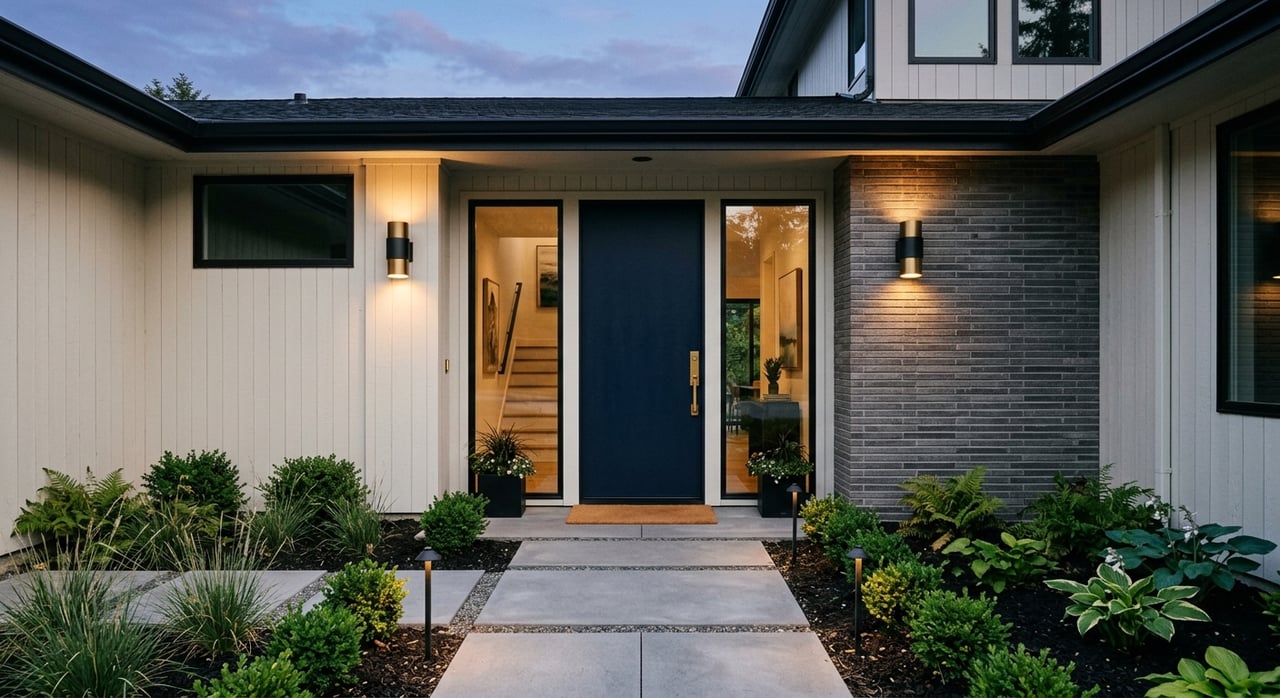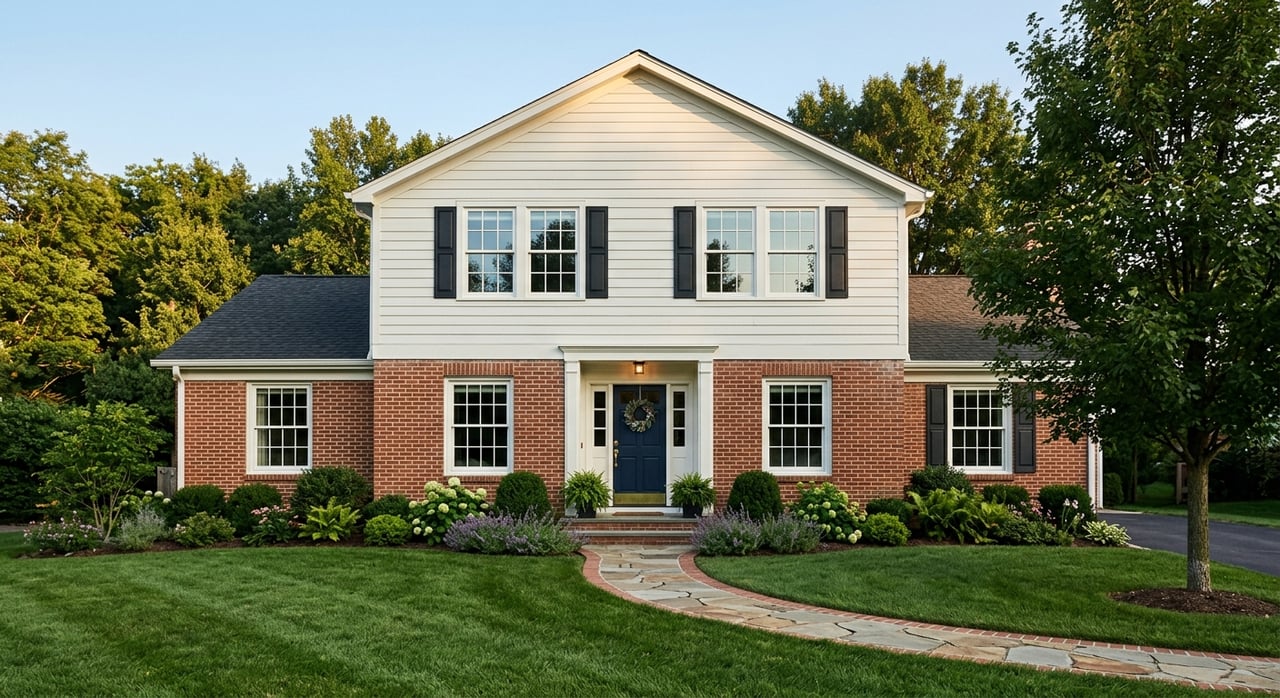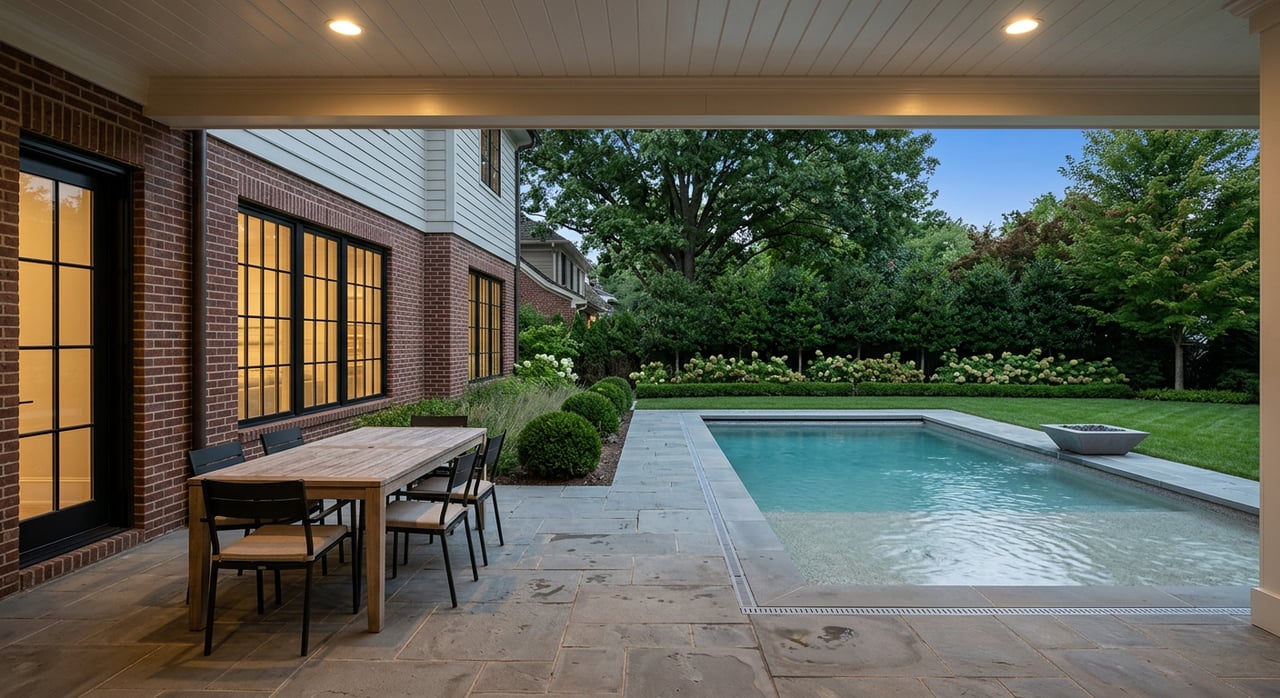
Craving river views, wooded trails, and room to breathe without losing quick access to Tysons and Washington, DC? In Great Falls, you can step from your back patio to miles of trail, launch a kayak on a quiet morning, or host friends beside a pool at sunset. If you love outdoor living, this corner of Fairfax County makes it easy to build a lifestyle around nature. Here’s how Great Falls delivers, what to explore, and what to check before you buy. Let’s dive in.
Why Great Falls fits outdoor life
Great Falls sits along the Potomac River and the dramatic Mather Gorge, which anchors an 800-acre national park about 15 miles from the nation’s capital. The mix of riverfront parks and large wooded lots creates a rare balance of privacy and play. Many buyers choose Great Falls to enjoy big yards and a quiet setting while staying connected to major job centers.
You are close to Tysons for dining, shopping, and work. Depending on route and traffic, it is roughly 6 to 8 miles and about 10 to 20 minutes to Tysons, with longer times at peak periods. For a sense of routes and timing, review the typical drive from Great Falls to Tysons on Rome2Rio.
Signature parks and activities
Great Falls Park highlights
At the heart of the outdoor scene is Great Falls Park, where the Potomac surges through the gorge. You can walk to multiple overlooks, explore cliff-top trails, and see remnants of the historic canal. The park has options for a short family visit or a more rugged hike, all with big-sky views.
Riverbend Park on the water
Upstream from the falls, Riverbend Park’s boating program offers seasonal kayak and canoe rentals, plus a public boat ramp. The river here is calmer, but always follow the park’s safety rules and posted notices. If you are considering a river-adjacent home, remember that not all properties have private launch rights. Confirm riparian rights and any access easements during due diligence.
Scott’s Run Nature Preserve
Scott’s Run Nature Preserve is a favorite for a quick hike to bluffs above the river and a photogenic waterfall. It is ecologically sensitive and parking is limited at peak times. Plan off-peak visits and follow posted guidance to help protect the preserve.
Colvin Run Mill Historic Site
For a quieter day outdoors, visit Colvin Run Mill, a preserved 19th-century gristmill with educational programs and picnic areas. It is a great backdrop for relaxed weekends and community events.
Trails, horses, and open space
Great Falls is a hub for trail lovers. Segments connect into the Difficult Run and Cross County corridors, so you can walk, run, or ride for miles through woodlands and along streams. Equestrians appreciate public riding fields at Turner Farm and a broader network that supports trail riding in the area. Explore the county’s equestrian trail information to see how these routes link together.
On busy weekends, popular trailheads and parks can fill early. If you are touring homes, note nearby trail parking and weekend traffic patterns. It helps to understand how your block feels when the area is buzzing with visitors.
Outdoor living and property types
Estate lots and zoning basics
Many Great Falls parcels are low-density residential estate lots, often 1 to 5 acres or more. Zoning controls what you can build, from terraces and pools to barns. Before you assume an outdoor project is allowed, review the Fairfax County Zoning Ordinance and any overlay districts for your parcel in the county’s official code viewer.
Classic homes with upgrade potential
Older colonials and ranch homes often sit on beautiful wooded lots. These properties are popular with buyers who plan to add patios, update landscaping, or install a pool. The lot’s slope, tree cover, and access for contractors can shape your budget and timeline.
New luxury estates and amenities
Custom homes in Great Falls often feature multi-level terraces, pools, sport courts, and formal gardens. If entertaining is important to you, look for wide, level rear lawns and a floor plan that connects kitchen and family rooms to the outdoors. Consider service access for events and outdoor kitchens to keep hosting simple.
Equestrian properties at home
Some larger parcels support private stables and paddocks. If you plan to keep horses, confirm that lot size and zoning allow your intended use, and factor in permits for boarding or riding programs if applicable. Public riding fields and the local trail network add day-to-day value for horse owners.
Buyer checklist for outdoor features
Use this quick list to evaluate properties with outdoor living in mind.
- Confirm zoning, overlays, and easements: Check your parcel’s zoning category, any special overlays, and recorded easements that may limit clearing or new structures. Start with the county’s zoning ordinance viewer.
- Understand utilities: Many homes rely on private wells and septic systems. Review permits, pump-out logs, and schedule independent inspections. The Fairfax County Health Department explains well and septic rules on its sewage and water page.
- Evaluate flood risk and slopes: Properties near the Potomac or local creeks can fall within FEMA flood zones or environmental overlays. Review Fairfax County’s flood guidance early in due diligence.
- Plan for pools and grading: Larger projects often trigger site-related approvals and plans. Review what requires permits on the county’s land development guidance, and budget for engineering and grading where needed.
- Check access and parking: If you host large gatherings, evaluate driveway capacity, turnaround space, and nearby weekend traffic from popular parks.
- Review HOAs and covenants: In some pockets, HOAs limit visible outdoor changes such as fencing or pool placement. Other areas have no HOA. Confirm during title review and with the seller.
Design your backyard lifestyle
Think about how you want to spend time outside. If you love quiet mornings, a screened porch or garden path may be perfect. For frequent gatherings, prioritize a level yard, a seamless indoor-outdoor connection, and adequate lighting. Pools and terraces can transform daily living. Just align your wish list with zoning, environmental overlays, and permitting to keep your project on track.
Seasons and gardening
Great Falls sits in roughly USDA hardiness zone 7b, which supports a long growing season for lawns, native shrubs, and many flowering trees. Microclimates vary by slope, shade, and proximity to streams, so plan plant selections around your lot’s conditions. Use the natural woodland character as a guide for low-maintenance, year-round interest.
Location and daily life
Outdoor living is only part of the equation. Great Falls offers country-like privacy with city access. You are a short drive to Tysons for work and amenities, and commonly about 15 miles from central Washington, DC, with timing that varies by time of day. This balance is why so many buyers choose Great Falls for both lifestyle and convenience.
Ready to explore properties that fit your outdoor goals—from river-adjacent homes to estate lots with pool potential? Reach out to Stacie Hennig Davis for personalized guidance on the neighborhoods, permits, and property features that will support your ideal way of living.
FAQs
What are the top outdoor parks in Great Falls?
- Great Falls Park offers dramatic river overlooks and cliff-top trails, Riverbend Park provides seasonal kayak and canoe rentals with a boat ramp, and Scott’s Run features wooded trails and a waterfall.
How close is Great Falls to Tysons and Washington, DC?
- Great Falls is roughly 6 to 8 miles from Tysons, often about 10 to 20 minutes depending on route and traffic, and commonly about 15 miles from central Washington, DC with timing varying by time of day.
What should I check before adding a pool or terrace?
- Confirm zoning and environmental overlays, review permit thresholds for land disturbance, and budget for engineering and grading. Steep slopes, tree protection, and flood zones can affect design and cost.
Do homes in Great Falls use public water and sewer?
- Many homes rely on private wells and septic systems. Ask for well completion reports, septic permits, service history, and schedule independent inspections as part of your offer.
Can I keep horses on a Great Falls property?
- Some larger parcels can support private stables and paddocks, depending on zoning and lot size. Confirm allowed uses, any required permits, and how public riding fields and trails connect to your location.